Setting up the Patcher correctly is critical to the success of your light show and is typically the first step in getting your stage prepared.
The Patcher allows you to do the following:
Add fixture modes from the fixture profile library to the stage
Specify the address of each fixture
See unpatched fixtures
View a list of fixtures on the stage and the address ranges in the DMX universe that each fixture occupies
Drill down into any channels of your fixture to make edits or set static values
View Channel mode and what DMX data each channel is sending
Duplicate/delete fixtures from your stage
Enable/disable and solo any fixture(s)
Set the fixture group of each fixture
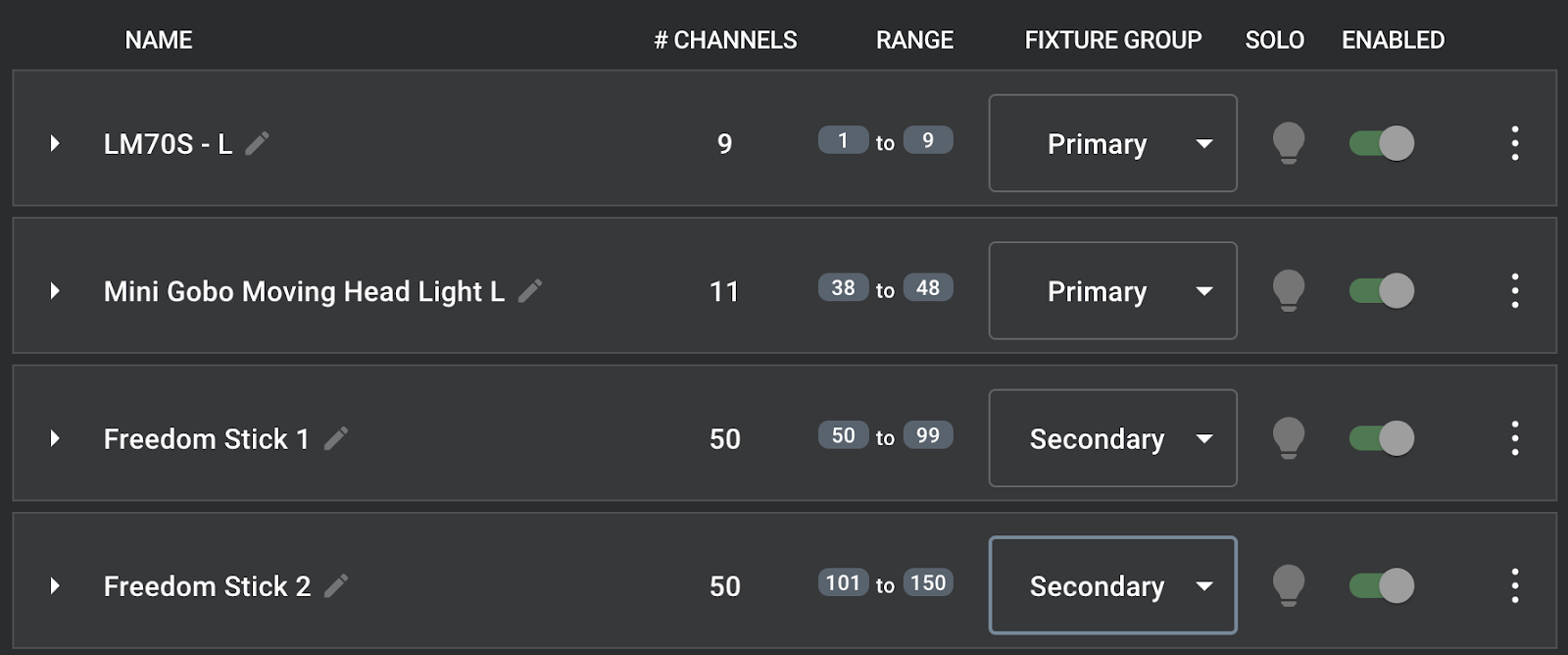
Adding Fixtures To A Stage
In the Stage page, there are two tabs. Patcher and Layout. Make sure to be in the patcher to begin.
Click ‘+ ADD FIXTURE’ to add a fixture to the stage.

Choose “Load from Profile” (a fixture from the profile library) or “Custom Stage Fixture” (on-the-spot creation of a fixture)
Assign your fixture to a fixture group.
Set the starting address of the fixture
Specify any repeats
Click ‘Save’
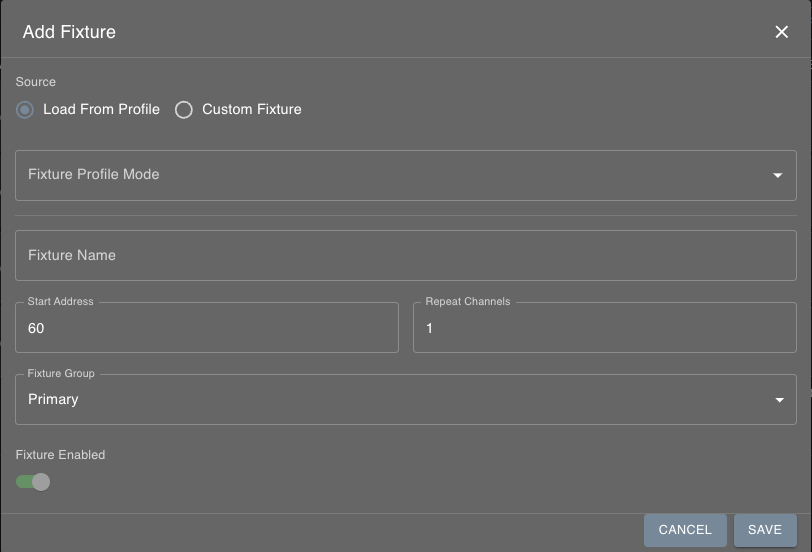
NOTE: “Repeat Fixture Channels” allows you to add multiples of the same fixture to the patcher. This can be useful if, for example, you have 10 of the same mover fixtures and you want them all to have the same offset and width or static values on a particular channel. Keep in mind that any fixtures in the repeated set will not be able to be placed individually in the layout; they will all be treated as a single fixture.
Viewing channels

Use the Fixture/Channel toggle to switch between the view of your fixture patch and a live DMX output chart. This allows you to view the DMX output currently being sent to each channel, see what type of channel, and see empty/unpatched channels.
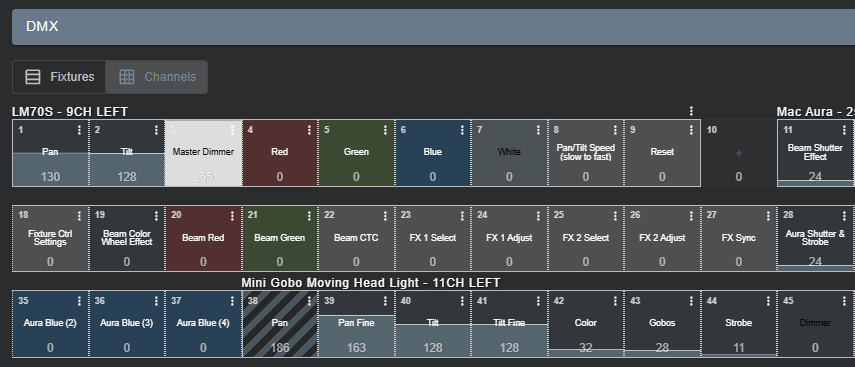
Each fixture is labeled at the beginning of the channel group with a 3-dot menu above the last channel of the fixture that will offer fixture-related menu options. If the fixture name is clicked, it will navigate to the control page with that fixture loaded.
Each of the channels are colour-coded.
Static channels appear as a dull grey and fill up with a light grey as they output more value.
Dynamic channels are blue-grey, and the values will fluctuate automatically with the music/MaestroDMX patterns.
Red, Green, Blue, UV, Amber, White, Magenta, Yellow, and Cyan channels will flow dynamically, and the colour of the chart will reflect the colour of the channel.
Each box will show the address it relates to at the top left. The name of the channel in the middle and the numerical value between 0-255 being output at the bottom. The 3-dot menu will give you fixture-related options for the overall fixture that the channel belongs to.
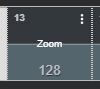
If two channels overlap DMX, that box will have a striped appearance.
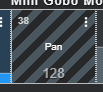
This shows that there is DMX overlapping and that this address and the fixtures attached will likely misbehave. Overlapping DMX will also be flagged as yellow in the fixture view of the Patcher.
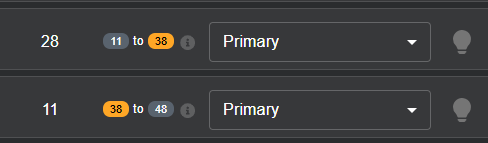
An information icon will also appear next to the ranges to tell you which fixture is overlapping the DMX range.
Editing Fixtures In The Patcher
Clicking on the 3-dot menu on any individual fixture provides various options:
Edit Fixture: name, address, fixture group, enable/disable
Duplicate/Delete fixture
Save as Profile & Replace from Profile
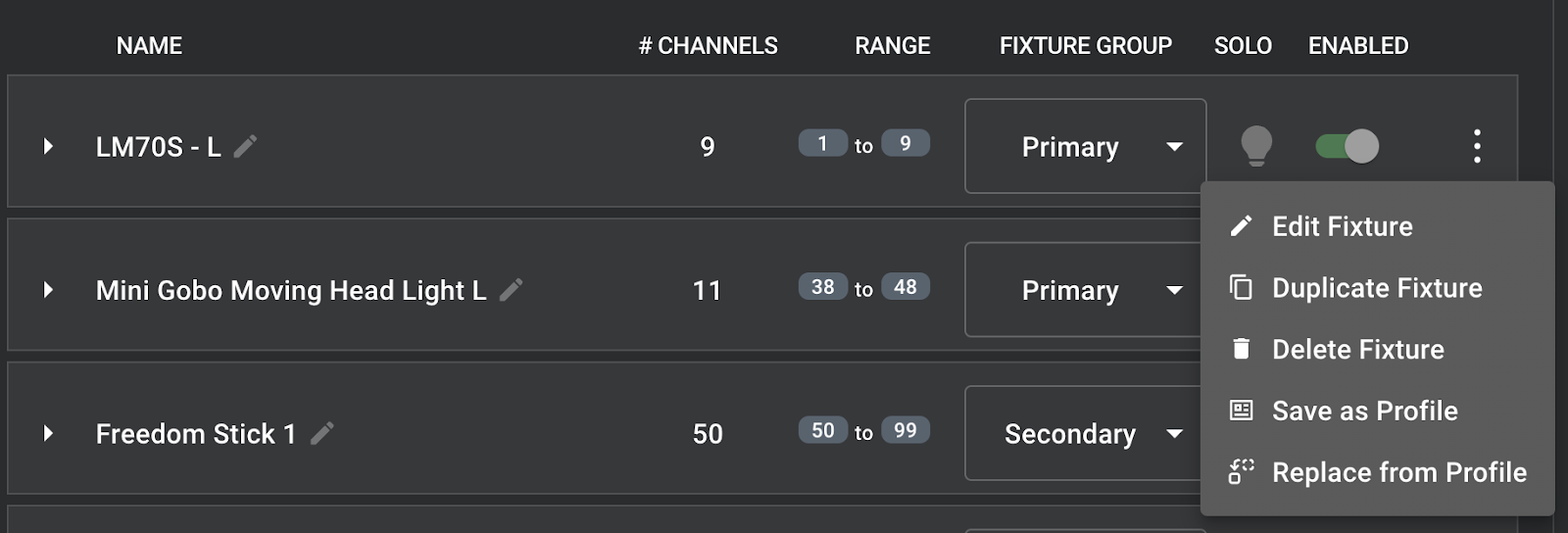
Clicking the arrow on the left provides a dropdown of all the fixtures' channels. Users can edit the values and dynamic ranges of each channel; however, this is more intuitive to do from the Control Tab. Any edits you make from the patcher will affect the individual fixture and not the profile stored in your fixture library.
Save as Profile & Replace from Profile
‘Save as Profile’ allows you to make any edits to the fixture within the patcher/control and save those in a profile in your fixture profile library.
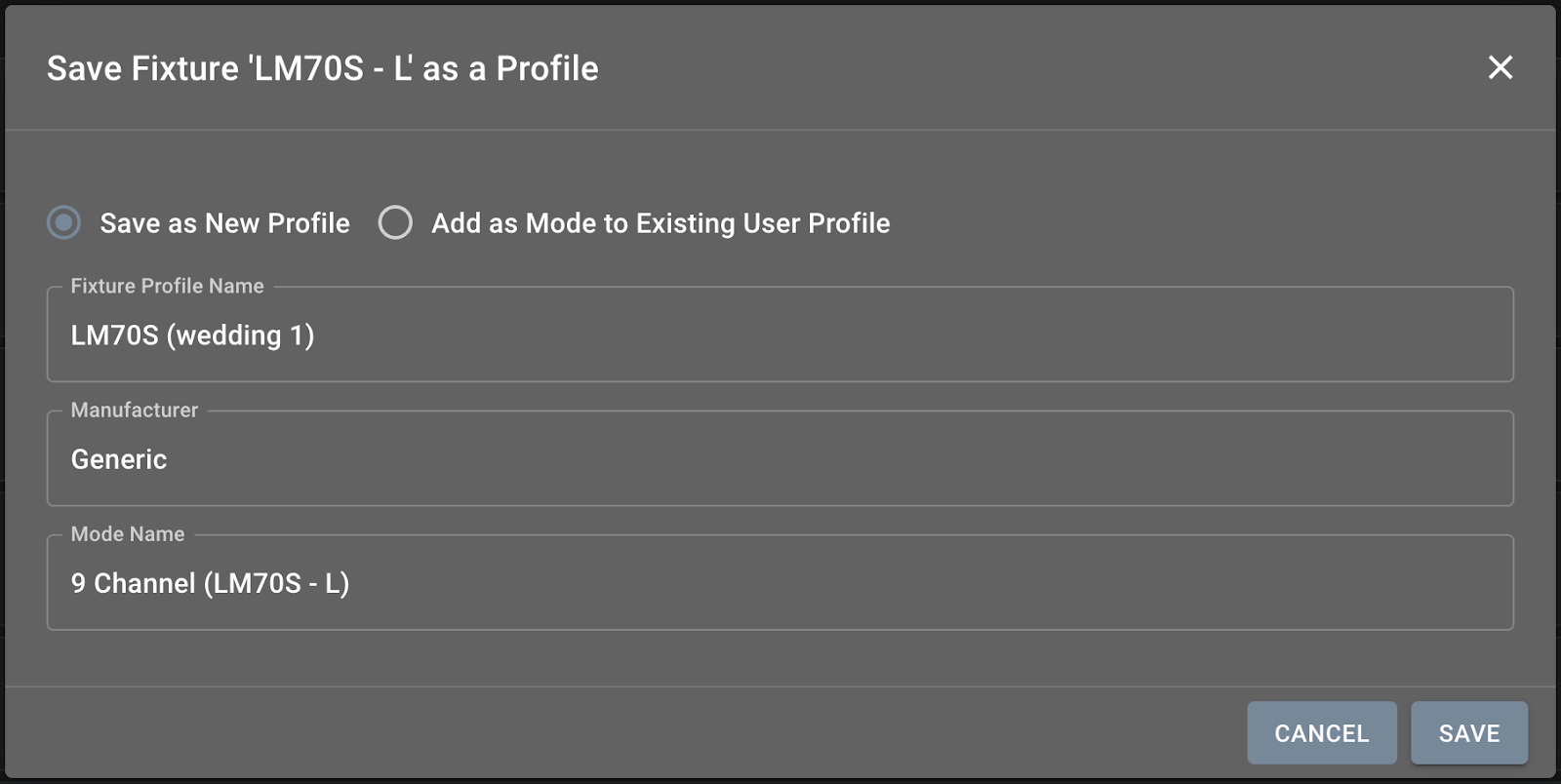
You have the option to save the specific fixture in the patcher as either a new fixture profile or to add it as a new channel mode to an existing profile.
Was this article helpful?
That’s Great!
Thank you for your feedback
Sorry! We couldn't be helpful
Thank you for your feedback
Feedback sent
We appreciate your effort and will try to fix the article